Customer Support Automation
Customer Support Automation: Strategy, Tools, and Rollout
Customer support automation helps teams respond faster by combining AI drafts, support rules, connected tools, and human escalation.
12 min read
ReadAn automated customer support system should include intake, triage, drafts, approvals, escalation, reporting, and connected business tools.
automated customer support system is a high-intent topic because customer service teams are under pressure to respond faster without creating risky, fully automatic replies. Gartner reported that 91% of customer service leaders felt pressure to implement AI in 2026, which makes practical deployment content more useful than generic AI hype.
A real automated customer support system is more than a chatbot. It is the operating flow behind support: intake, routing, response, review, escalation, and reporting.
This article is written for founders, operators, ecommerce teams, agencies, and service businesses that want customer support automation connected to real tools, not a standalone chatbot that creates another inbox to manage.
An automated customer support system is the full set of tools, rules, and AI workflows that help a business receive, organize, answer, and escalate customer requests.
The important distinction is that deployment is not the same as buying software. A support workflow needs a trigger, customer context, business rules, connected tools, approval boundaries, escalation paths, and a report that shows what happened.
For Dooza, the safe positioning is AI deployment: set up AI employees and workflows that can assist with email support, summaries, routing, FAQ-style drafts, follow-ups, and handoffs. The verified Workforce repo shows Maily as an email employee that can read, draft, send after approval, search, summarize threads, and manage Gmail labels.
Customer support is one of the best places to start with AI because many requests repeat: order status, appointment questions, pricing questions, document requests, refund policy questions, missed-call follow-ups, and basic troubleshooting. These are frequent enough to save time, but structured enough to review safely.
The goal is not to remove humans from every support conversation. The goal is to remove the slow middle steps: finding the right thread, summarizing the issue, drafting the first reply, applying the right label, escalating the risky case, and following up when nobody has time.
For the full cluster foundation, start with how to automate customer support with AI, then use this guide for the specific workflow angle. High-intent readers should continue to the Dooza AI deployment services page.
A reliable customer support automation workflow should be small enough to test and clear enough to measure. Start with one support channel and one repeatable request type before expanding.
Good support automation is visible. The user should see what was drafted, what was skipped, what was escalated, and what still needs a human decision.
Dooza should be presented here as a deployment partner for AI employees and workflows, not as a generic software page. The deployment page already promises setup, tool connections, review steps, and launch support, so these support blogs should reinforce that offer.
A practical Dooza customer support deployment can include connecting Gmail, defining support categories, writing reply rules, creating labels, drafting first-response templates, setting escalation rules, and reporting the support work that was handled or queued for review.
Use anchors such as AI deployment services, customer support automation deployment, deploy AI for customer support, and done-for-you AI customer support automation. Avoid sending this cluster primarily to the general AI software guide.
Build the system in layers. Start with inbox triage and reporting, then add drafts, then add narrow automatic replies after testing.
Measure request visibility, average first response, aging unresolved cases, escalation accuracy, and support capacity gained.
The most useful scorecard is short: average first-response time, support messages summarized, drafts created, edit rate, auto-label accuracy, escalation rate, and unresolved cases. If the scorecard is too long, owners stop reading it and the automation becomes hard to trust.
Watch this related video before mapping the workflow into your business. The video is included for practical context; the Dooza-specific next step is deployment through connected tools, review rules, and reporting.
automated customer support system works best when it starts as a narrow deployment, not a giant transformation project. Connect the right tool, define the support rule, keep risky work human-approved, and measure the result weekly.
If the business wants help with setup instead of another self-serve tool, the next page to visit is Dooza AI deployment services.
It should include intake, triage, reply drafts, approval rules, escalation paths, reporting, and connected customer context.
Not at first. The safer rollout is to let AI draft, label, summarize, and route support messages, then add auto-send only inside approved rules with clear filters and limits.
Refund exceptions, angry customers, legal threats, medical or financial claims, account security issues, and unusual promises should stay human-reviewed.
They should link to the Dooza AI deployment page because the offer is setup, tool connections, approvals, launch support, and workflow deployment.
Dooza helps deploy AI employees and support workflows with connected tools, business context, approval steps, and reporting. The verified Workforce product supports Maily for Gmail reading, drafting, sending after approval, searching, summarizing threads, and labels.
Automate your business with AI employees that work 24/7.
Customer support automation helps teams respond faster by combining AI drafts, support rules, connected tools, and human escalation.
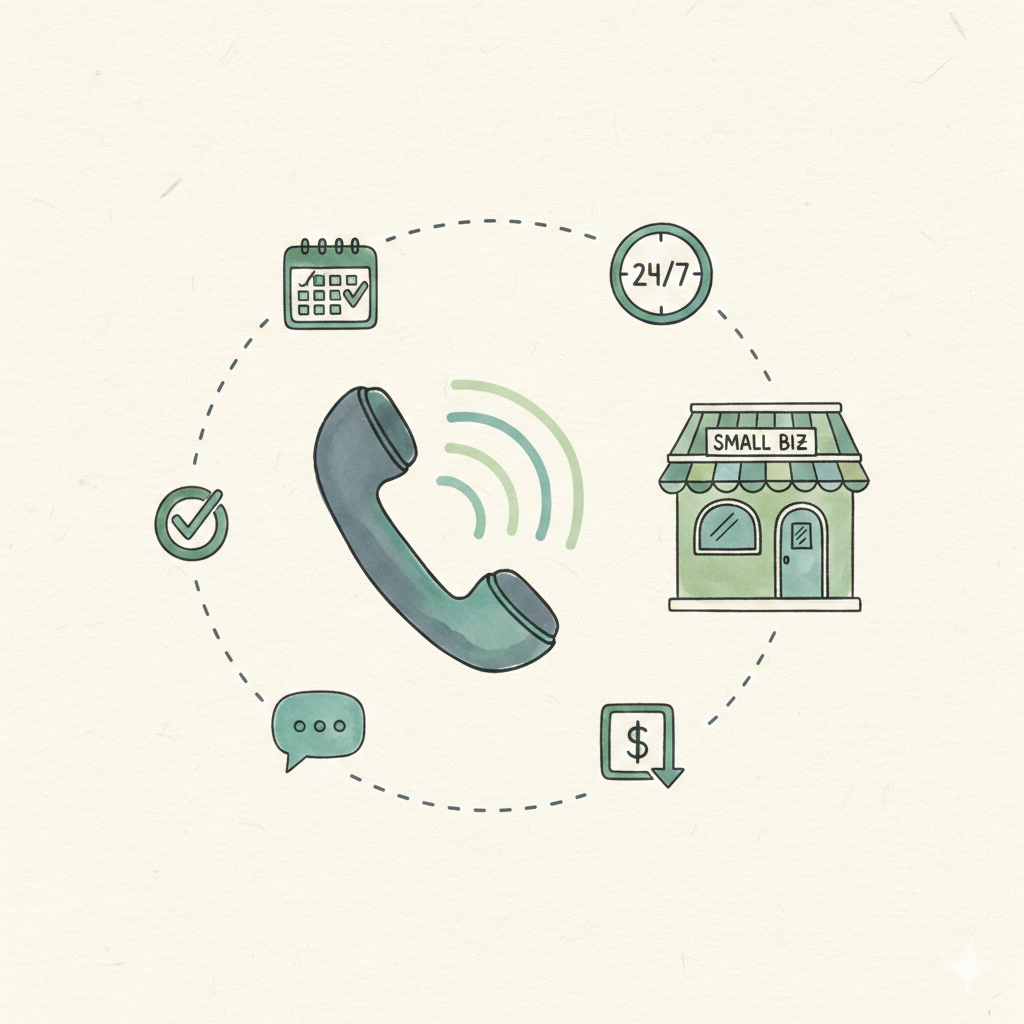
A practical guide to AI customer support automation for small businesses that need faster replies without hiring a larger support team.
Join thousands of companies using Workforce to automate their work. Get started for free today.
No credit card required · 7-day money-back guarantee · Cancel anytime