Sales
Speed to Lead: Why Response Time Is Killing Your Sales (And How to Fix It)
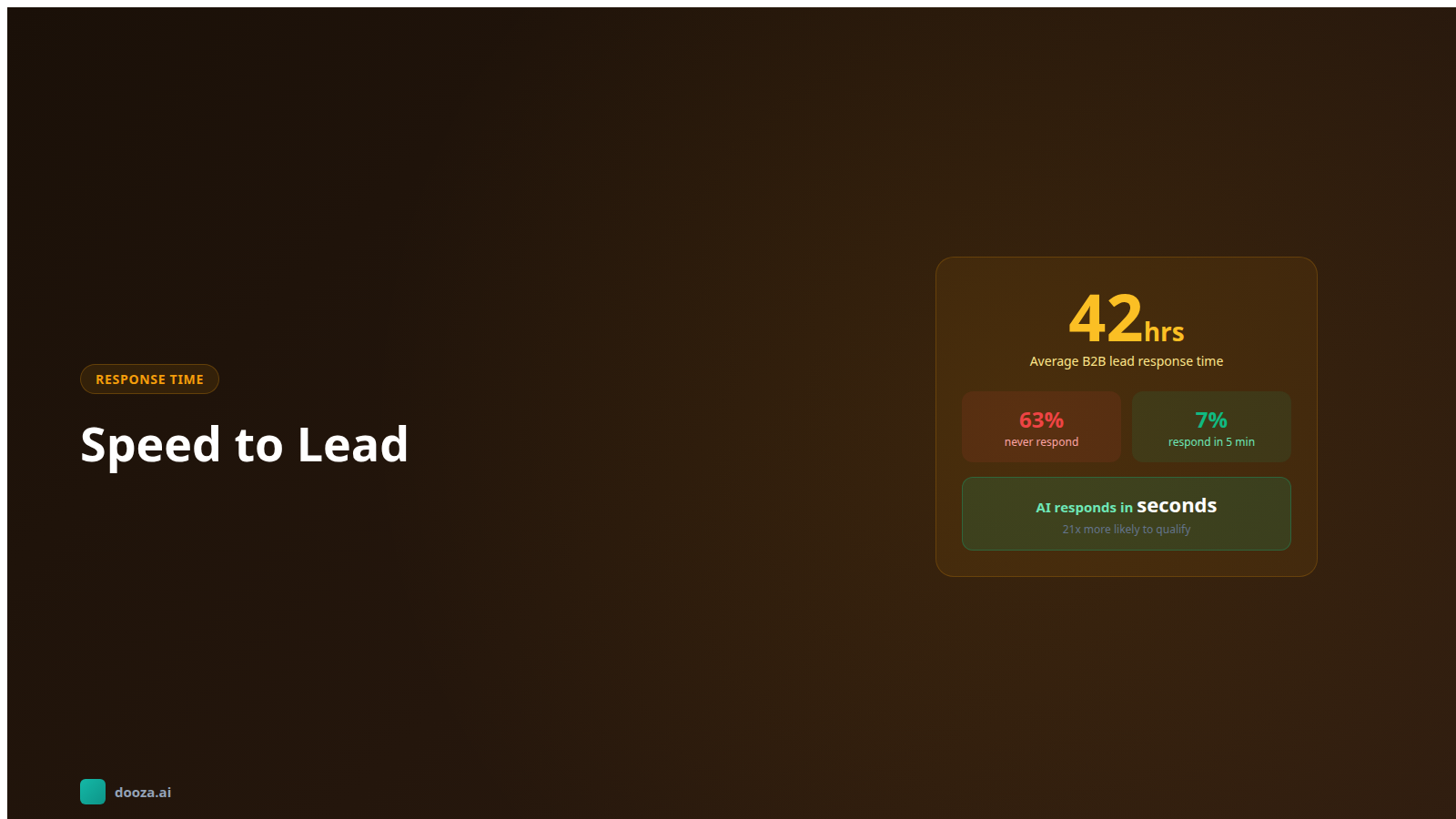
Speed to lead stats show responding in 5 minutes makes you 21x more likely to qualify a lead. Learn why most businesses fail and how AI fixes it.
12 min read
ReadAI virtual sales assistants versus human VAs. Compare capabilities, limitations, and when each makes sense for your business.
A virtual sales assistant is someone — or something — that handles the repetitive, time-consuming parts of your sales process so you can focus on closing deals. Traditionally, this meant hiring a human virtual assistant (VA) to send emails, research prospects, schedule meetings, and update your CRM.
In 2026, you have a new option: AI-powered virtual sales assistants that do the same work faster, cheaper, and without sleep. The question is no longer whether to get help with sales — it is whether that help should be human or artificial.
This guide breaks down the honest comparison. What AI virtual sales assistants can and cannot do. Where human VAs still win. And the real cost math that determines which makes sense for your business.
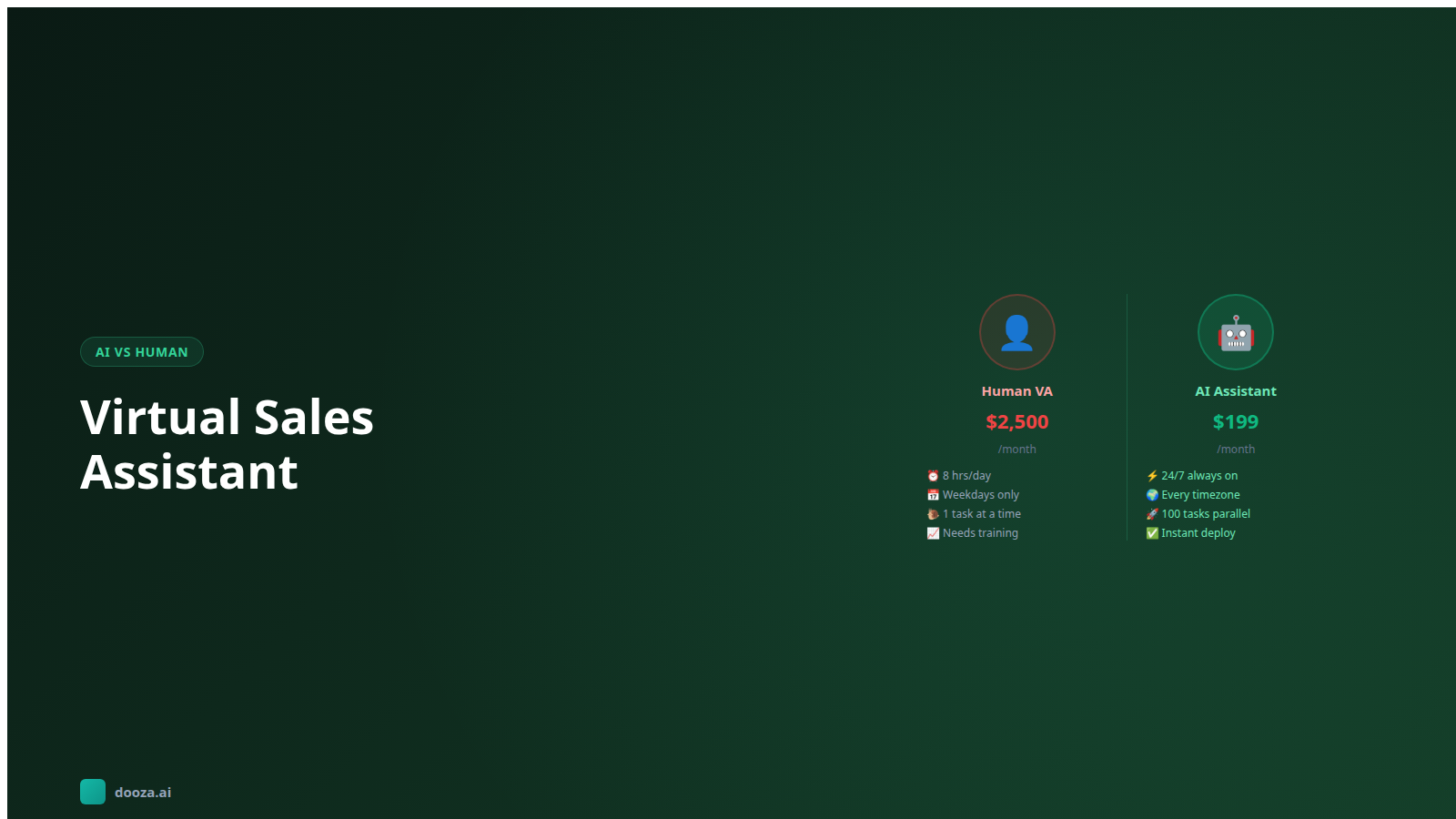
Let us stop pretending this is simple. Both options have real strengths and real limitations. Here is where each excels:
Let us do the math that matters — total cost of ownership, not just the monthly fee.
The cost difference is stark. But cost alone does not tell the whole story — you also need to consider output quality, scalability, and where each option breaks down.
Let us get concrete. Here is a typical day in the life of an AI virtual sales assistant:
An AI assistant handling all of these tasks sends 100 to 500 messages per day, responds to every lead within seconds, and books 5 to 20 meetings per week — depending on your industry and list quality. A human VA doing the same work handles far less volume and costs more per month.
Being honest about limitations builds more trust than overselling capabilities. Here is what you should not expect from an AI sales assistant in 2026:
AI excels at the top of the funnel — finding leads, reaching out, qualifying, and booking meetings. But when a prospect sits down for a 45-minute discovery call with complex requirements, multiple stakeholders, and a 6-month sales cycle, you need a human. AI sets the table. Humans close the meal.
If a prospect asks a question AI has never encountered and cannot find in your knowledge base, it will either give a generic response or escalate. Human VAs can think on their feet and improvise. For businesses with highly unusual or creative sales processes, this flexibility matters.
Enterprise deals often hinge on personal trust. A prospect might choose you over a cheaper competitor because they trust your sales rep personally. AI can be warm and conversational, but it cannot build the kind of human rapport that wins relationship-driven deals.
If your sales process requires logging into 8 different platforms, manually copying data between them, and navigating complex internal tools, a human VA is more flexible. AI integrates with specific platforms through APIs and connectors — it cannot just "figure out" a random tool the way a human can.
The smartest businesses are not choosing AI or human. They are using AI for the high-volume, repetitive, time-sensitive work (prospecting, outreach, follow-ups, lead qualification, scheduling) and reserving human effort for the high-judgment, high-relationship work (discovery calls, negotiations, complex proposals, key account management).
For most small businesses, solopreneurs, and startups, an AI virtual sales assistant can take over most of the repetitive sales workload. You step in for the other 20 to 30% — the part that actually requires you.
If you have read this far, you are probably evaluating your options. Here is why small businesses choose Dooza Agents as their virtual sales assistant:
The comparison is straightforward:
See pricing details or start with Dooza Agents today.
This video walks through how an AI sales assistant qualifies leads, responds to inquiries, and books meetings — automatically, without human involvement.
The virtual sales assistant landscape has shifted permanently. Human VAs are still valuable for complex, relationship-driven sales work. But for the sales tasks that are repetitive, time-sensitive, and volume-dependent — prospecting, outreach, follow-ups, qualification, and scheduling — AI is faster, cheaper, and more consistent. Next to a human VA who is paid for every hour they work, the ROI math is not close. Start with Dooza and let AI handle the grind while you focus on the conversations that close deals.
A virtual sales assistant handles the repetitive tasks in your sales process — prospecting for new leads, writing and sending outreach emails, following up with prospects who have not responded, qualifying inbound leads, scheduling meetings and demos, updating your CRM with notes and status changes, and managing your sales pipeline. Human VAs do this manually. AI virtual sales assistants do it automatically with software.
Human virtual sales assistants, whether US-based or offshore, are paid for every hour they work. AI virtual sales assistants like Dooza (see dooza.ai/pricing) come with no long contracts or minimums, and every Dooza product starts with a refundable pilot (100% refund within 14 days). The cost difference grows at scale — three human VAs are three people paid for every hour they work, while one AI assistant can handle the same repetitive volume.
For the top-of-funnel tasks — prospecting, outreach, follow-ups, and lead qualification — yes. Salesforce research (2023) found sales reps spend just 28% of their week actually selling, so these tasks take up most of an SDR's time. AI handles these at higher volume and consistency than a human SDR. For bottom-of-funnel activities — complex negotiations, relationship building with enterprise accounts, handling nuanced objections — a human is still better. The ideal setup for most businesses is AI handling top-of-funnel and humans handling the conversations that close deals.
For most small businesses, yes. AI is available 24/7 without overtime costs, handles volume spikes without additional hires, responds to leads in seconds instead of hours, and usually costs less than a human VA. The main exception is if your sales process requires significant relationship building, in-person meetings, or highly customized proposals — in those cases, a human VA adds value that AI currently cannot replicate.
Most AI sales assistants can be configured and running within 1 to 3 days. Setup involves defining your ideal customer profile, connecting your email and calendar, providing your product and service information, and setting qualification criteria. Dooza specifically deploys within a day with onboarding assistance included. Compare this to hiring a human VA, which takes 2 to 4 weeks for recruiting, interviewing, and training.
Automate your business with AI employees that work 24/7. Start with a refundable pilot: 100% refund within 14 days.
Speed to lead stats show responding in 5 minutes makes you 21x more likely to qualify a lead. Learn why most businesses fail and how AI fixes it.
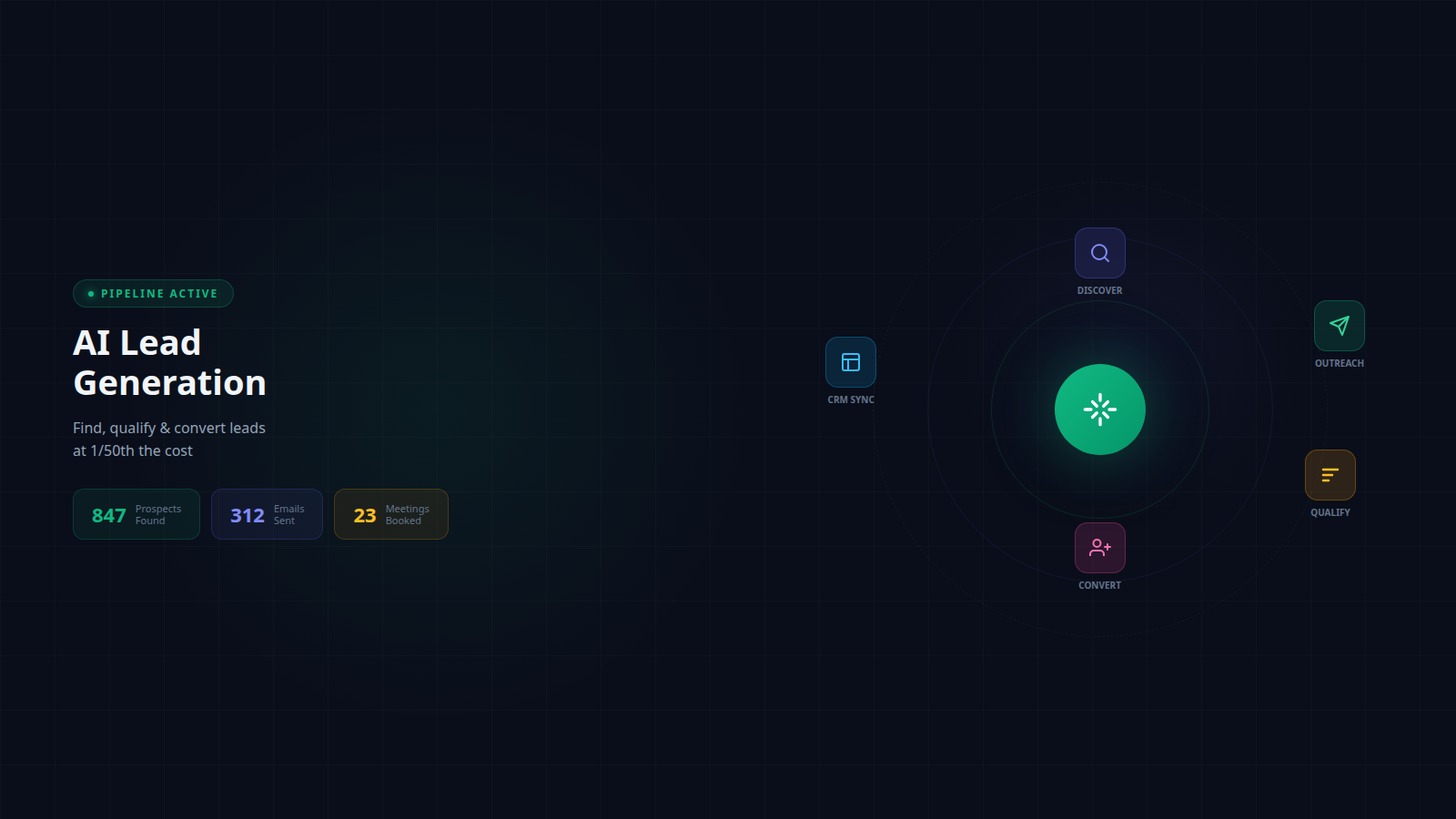
How small businesses use AI to find, qualify and follow up with leads without a full sales team. Step-by-step setup, the main tools, and how to measure your own return.
Start with a refundable pilot — 100% refund within 14 days. A Dooza engineer scopes it with you on a free 30-minute call. Pricing depends on the product; see pricing.
Refundable pilot · 100% refund within 14 days · No contracts