
AI Education
Her Entire Team Was AI. Nobody Could Tell.
A Bangalore founder's Slack team was secretly AI at 10 PM. The tweet went viral, and it shows how AI employees are changing small business work.
5 min read
ReadCompare top customer service outsourcing companies like Teleperformance and Concentrix for 2026 — and see why AI alternatives are winning on cost and speed.
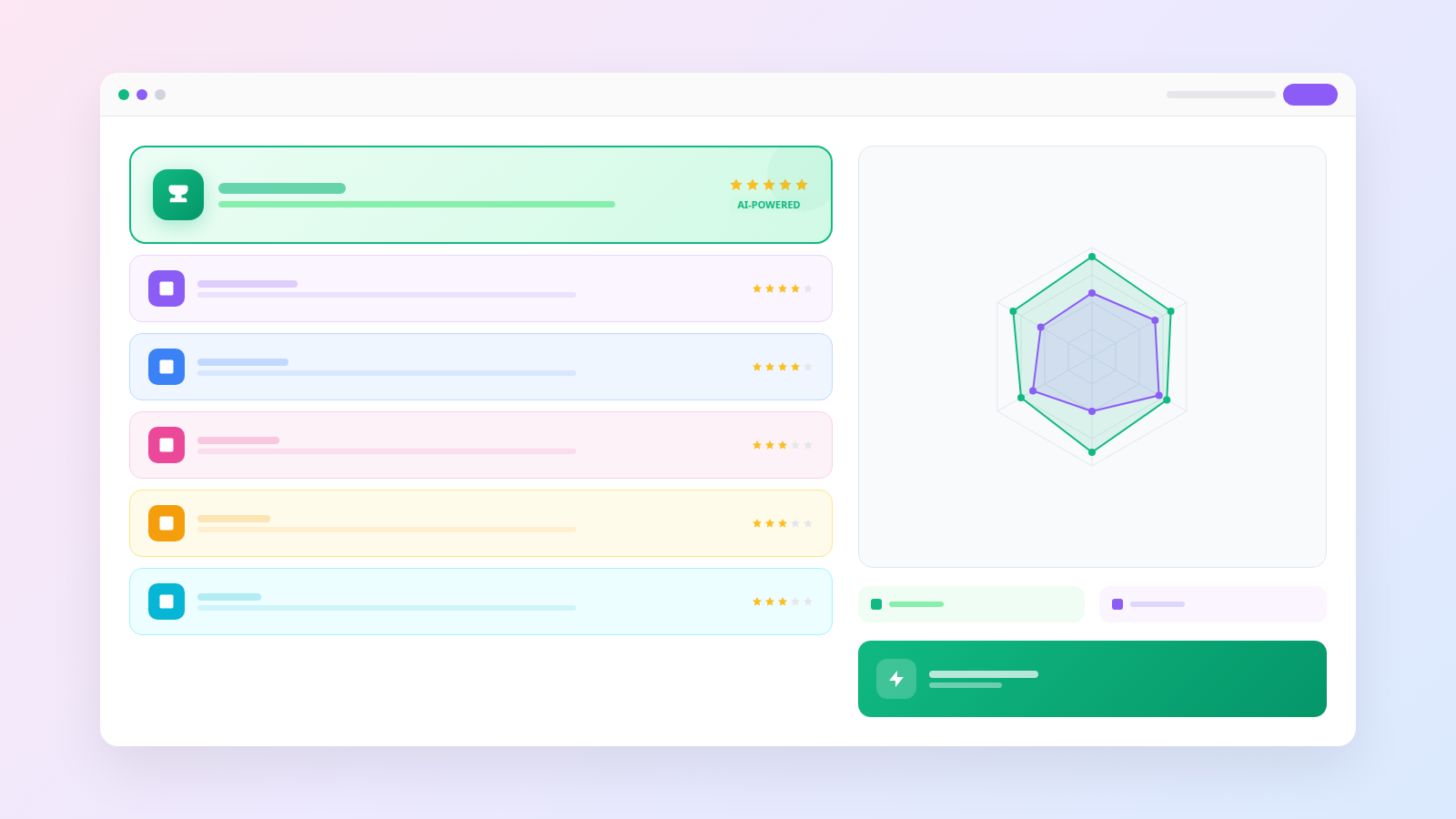
Customer service outsourcing companies is one of the most searched terms by founders scaling support in 2026. Grand View Research values the global BPO market at over $280 billion, yet the fastest-growing alternative is not another call center — it is AI that resolves tickets at a fraction of the cost.
Outsourcing has always meant hiring a BPO to staff phone lines and inboxes. Teleperformance and Concentrix built empires with hundreds of thousands of agents in the Philippines, India, and Latin America. In 2026, that model is cracking. Turnover runs 30 to 45 percent annually. Ramp-up takes four to twelve weeks. The cost floor of $6 to $12 per interaction has not budged while AI pushes below $1.50. The question is shifting from "which BPO" to "do I need one at all." If you are exploring customer support automation, the answer leans toward AI.
Three forces are converging against traditional outsourcing:
Unity saved $1.3 million deflecting 8,000 tickets with AI. Hertz resolves 75 percent of contacts autonomously. These are production systems proving generative AI for customer support is ready.
Here are the major outsourcing players and why smart operators are moving past them:
Every company here solves one problem: more people answering tickets. But for 70 to 80 percent of predictable interactions, an AI customer support agent handles them faster, cheaper, and more consistently than any BPO.
Dooza replaces the outsourcing relationship entirely. Instead of a BPO contract with dozens of agents and monthly minimums, you deploy an AI employee that handles unlimited interactions 24/7.
Every Dooza product starts with a refundable pilot — 100% refund within 14 days, scoped on a free 30-minute call. Compare that to BPO onboarding of four to twelve weeks and $8,000-plus minimums. If you want to automate customer support with AI, Dooza is the fastest path.
No risky rip-and-replace needed. Here is the playbook:
The transition takes 60 to 90 days. For more on this workflow, see our guide on conversational AI for customer support.
Track these metrics from day one:
Treat deployment as ongoing optimization. Weekly reviews and choosing the best AI agents for customer support keeps resolution climbing.
Watch how Klarna and Unity moved from BPO contracts to AI-powered support with real cost savings.
Outsourcing companies built a $280 billion industry because businesses needed more support capacity than they could build in-house. That need remains, but the solution has changed. When AI resolves tickets cheaper, responds instantly, works 24/7, and never churns, the rational move is clear.
Human support is not dead — save it for high-stakes empathy and relationship building with top accounts. Everything routine belongs to AI. Head to deployment and put Dooza to work.
Traditional BPO companies charge $6 to $12 per interaction, with monthly minimums of $8,000 to $25,000 or more. Offshore providers in the Philippines or India run $6 to $10 per hour per agent, nearshore providers in Latin America charge $10 to $18, and US-based providers range from $22 to $35 per hour. AI alternatives like Dooza have no minimums and cost far less per resolved ticket.
AI wins on cost, speed, consistency, and availability. It responds in seconds versus minutes, works 24/7 without overtime, never churns, and costs a fraction of human outsourcing. BPO companies still hold an edge for complex emotional situations and high-touch enterprise accounts, but for the 70 to 80 percent of interactions that are routine, AI is objectively better on every measurable metric.
For most routine support, yes. Klarna's AI handles two-thirds of all customer chats, doing the work of 700 agents. Unity saved $1.3 million deflecting 8,000 tickets. The optimal model for most businesses is AI-first with a small human team handling escalations, VIP accounts, and complex edge cases that require genuine empathy or creative problem-solving.
AI handles the routine 70 to 80 percent of tickets — FAQs, order tracking, refunds, account updates, troubleshooting. Complex emotional situations, high-value negotiations, and regulatory matters still benefit from skilled human agents. The best approach is a hybrid model where AI resolves the bulk of volume and a small specialist team handles escalations.
Most businesses complete the transition in 60 to 90 days using a phased approach. Start by routing the simplest 20 percent of tickets to AI, expand to 50 percent by week four, and reach 70 to 80 percent AI coverage by week nine. Dooza starts with a refundable pilot (100% refund within 14 days) so you can test before committing to a full transition.
Quality should stay flat or improve if you transition in phases. Start with your simplest ticket types where AI resolution rates will be highest, monitor CSAT scores weekly, and expand coverage gradually. Satisfaction often holds or improves because AI responds faster and more consistently than rotating BPO agents; a refundable pilot lets you check this on your own tickets.
Automate your business with AI employees that work 24/7. Start with a refundable pilot: 100% refund within 14 days.
A Bangalore founder's Slack team was secretly AI at 10 PM. The tweet went viral, and it shows how AI employees are changing small business work.
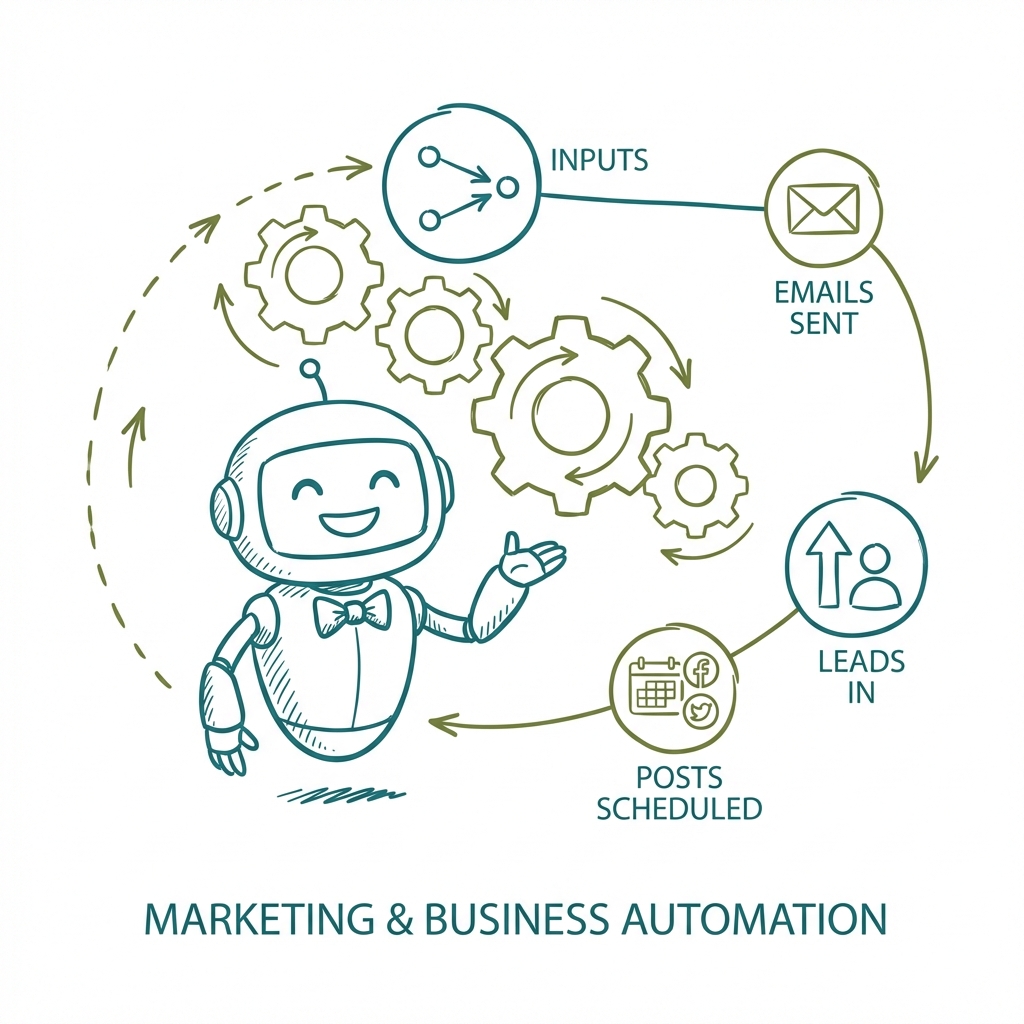
Compare the best email automation tools for small businesses and see why Dooza wins for inbox triage, smart replies, lead follow-up, pricing, and full business automation.
Start with a refundable pilot — 100% refund within 14 days. A Dooza engineer scopes it with you on a free 30-minute call. Pricing depends on the product; see pricing.
Refundable pilot · 100% refund within 14 days · No contracts