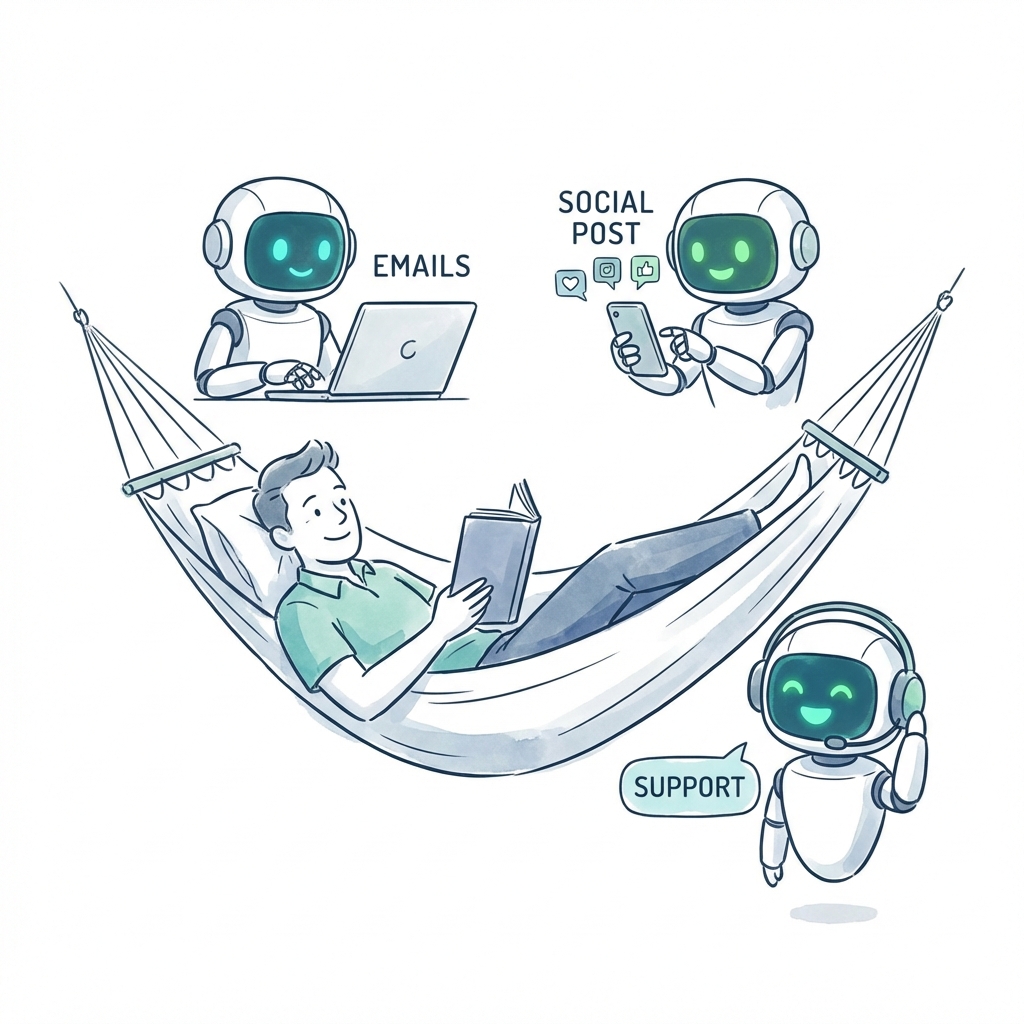
AI Automation
5 Proven Ways AI Employees Save Small Businesses 20+ Hours/Week
Discover how AI-powered employees are helping small businesses automate their daily operations, from email management to social media posting.
7 min read
ReadDiscover how AI is leveling the playing field for small businesses in 2026—From automated customer service to predictive analytics, learn 5 ways AI can transform your marketing.
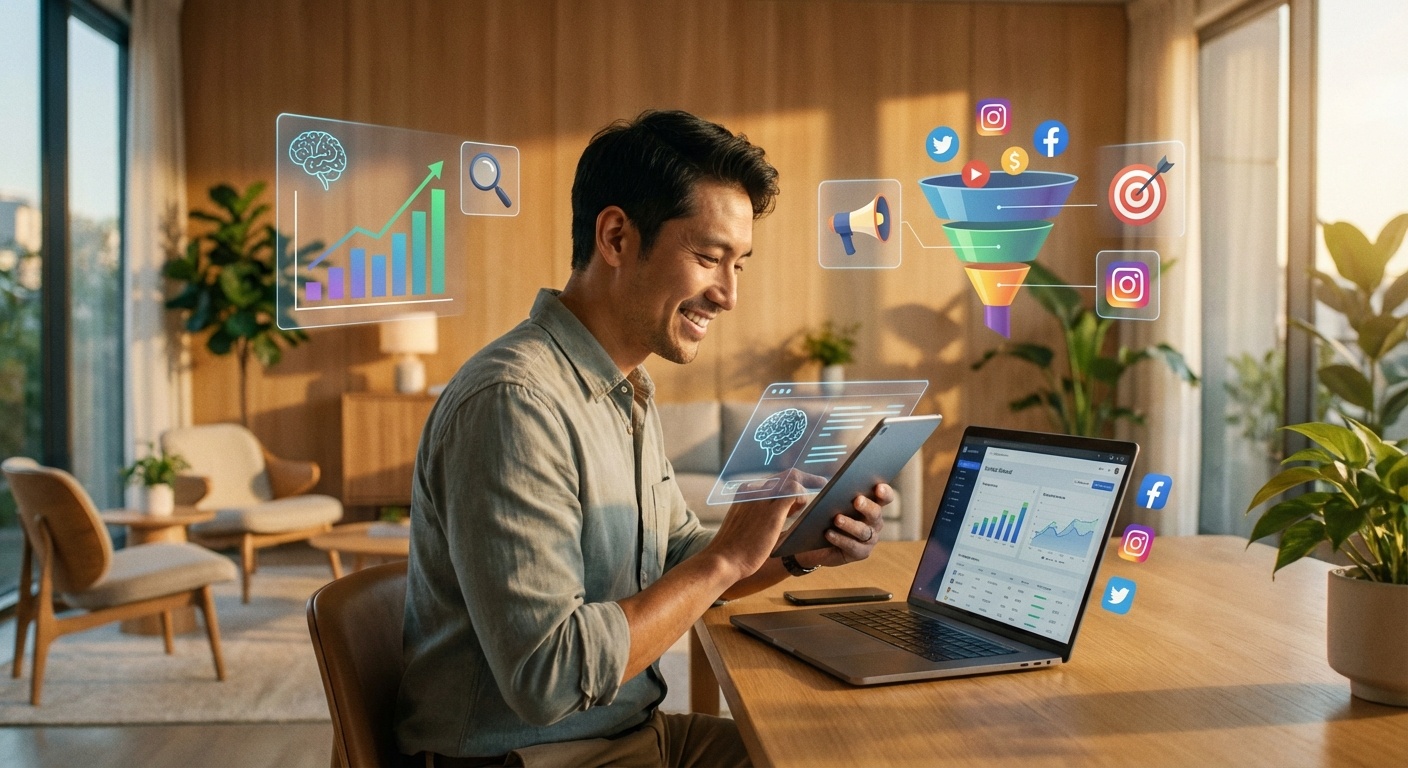
Artificial intelligence is no longer just for big corporations with massive budgets. In 2026, small businesses have access to AI tools that were previously only available to enterprises with dedicated marketing teams. From automating customer interactions to predicting buying behavior, AI is leveling the playing field and helping small businesses compete like never before.
In this article, we'll explore five powerful ways AI is transforming small business marketing—and how you can leverage these technologies to grow your business.
Traditional market research is time-consuming and often inaccurate. AI now enables small businesses to analyze customer data in real-time, identifying patterns and segmenting audiences based on behavior, preferences, and purchase history.
What this means for you: Instead of generic marketing messages, you can deliver hyper-personalized content to the right people at the right time—without a data science team.
Email platforms already do this. Mailchimp offers predictive segmentation that flags customers likely to buy again, and Klaviyo segments update automatically in real time (both checked October 7, 2026).
AI chatbots and virtual assistants have evolved dramatically. Modern AI can handle complex customer inquiries, provide product recommendations, and even process orders—around the clock.
The impact: Small businesses can now offer enterprise-level customer service without hiring overnight staff. AI chatbots can answer FAQs, troubleshoot issues, and guide customers through the sales funnel while you focus on running your business.
Creating consistent, high-quality content is one of the biggest challenges for small business owners. AI tools now assist with:
Key insight: AI doesn't replace human creativity—it augments it. Use AI to handle repetitive tasks, then add your unique brand voice and expertise to create content that truly connects.
AI-powered predictive analytics helps small businesses forecast trends, anticipate customer needs, and make data-driven decisions with confidence.
You can now predict:
This level of insight was previously only available to companies with expensive analytics teams. Now, affordable AI tools put this power in every small business owner's hands.
From AI-generated images to automated video editing, visual content creation has become more accessible. Small businesses can now:
Platforms like Canva now include AI features that make professional design accessible to anyone—no graphic design experience required.
You don't need to implement everything at once. Here's a practical starting approach:
AI is transforming small business marketing in 2026 by making advanced tools accessible, affordable, and easy to implement. Whether you're looking to improve customer engagement, create better content, or make smarter business decisions, there's an AI solution that fits your needs and budget.
The businesses that embrace AI today will be the ones leading their markets tomorrow. The question isn't whether to adopt AI—it's how quickly you can start.
Ready to transform your marketing? Start small, measure results, and let AI handle the heavy lifting while you focus on what you do best—running your business.
Automate your business with AI employees that work 24/7. Start with a refundable pilot: 100% refund within 14 days.
Discover how AI-powered employees are helping small businesses automate their daily operations, from email management to social media posting.
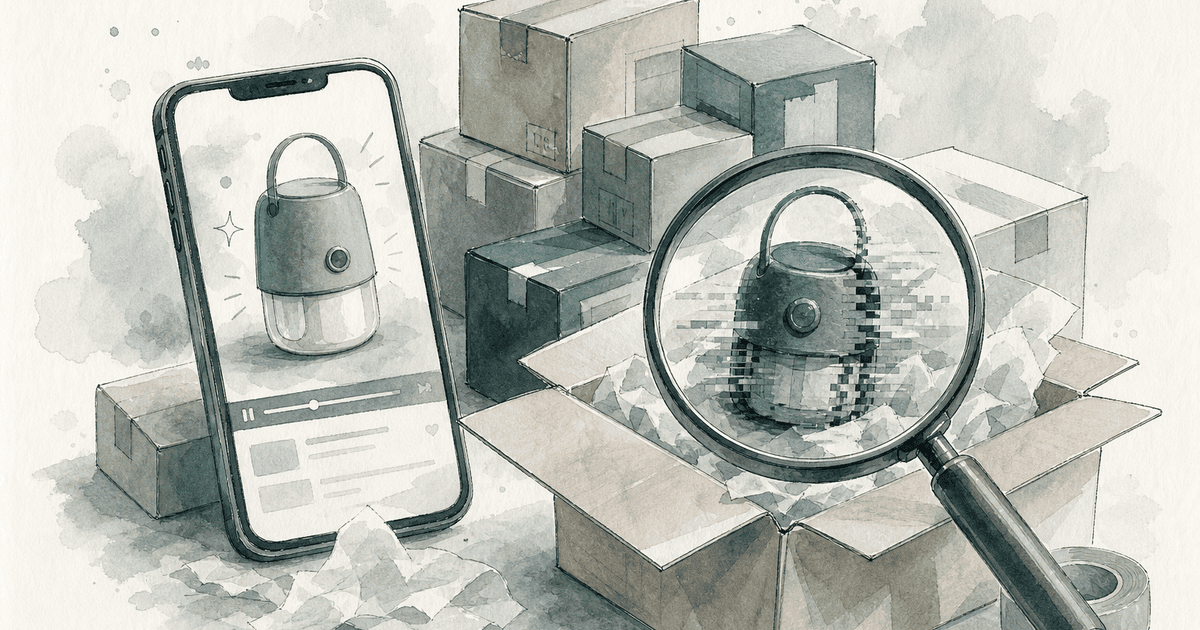
In "I Fell for 100 AI Scams," YouTuber yikes buys products pushed by AI-generated ads and tests every claim. Here is what held up, the warning signs to watch for, and how honest small businesses can use AI in marketing without looking like a scam.
Start with a refundable pilot — 100% refund within 14 days. A Dooza engineer scopes it with you on a free 30-minute call. Pricing depends on the product; see pricing.
Refundable pilot · 100% refund within 14 days · No contracts