Published October 6, 2026. Summary based on the Reddit post and LLM Daily.
What are "overfit" inference engines?
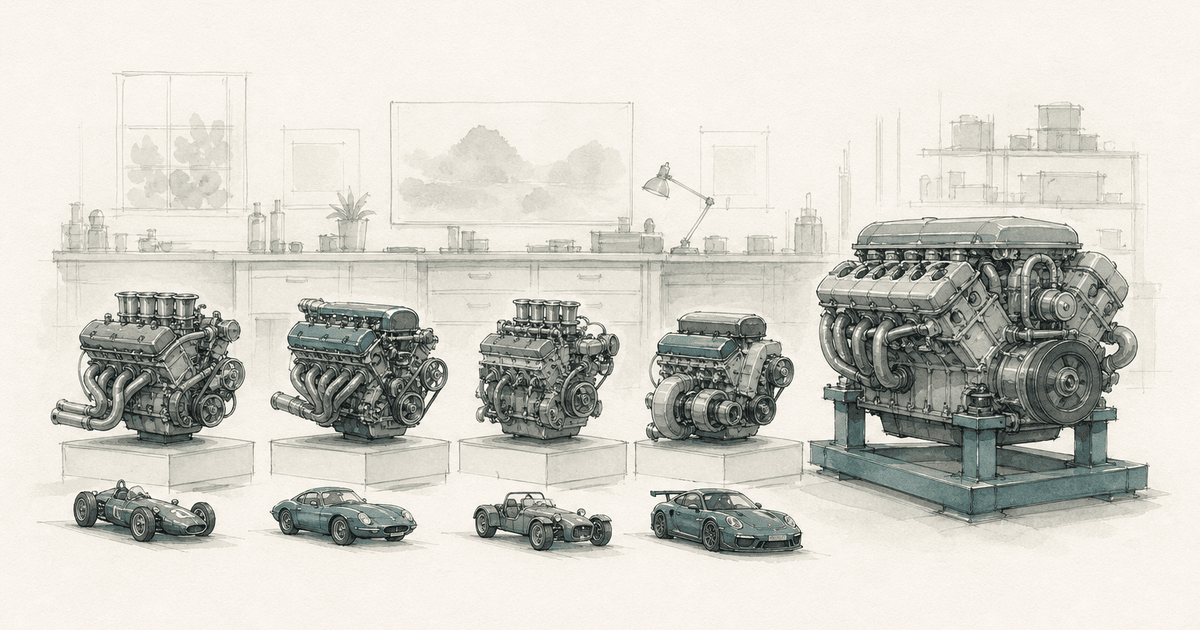
They are AI runtimes built for one model family or one hardware setup, trading broad compatibility for maximum speed. A r/LocalLLaMA post named a wave of them, including Strata, ninfer, DwarfStar, Splash, llamAmpere and gufo, and argued the ecosystem is splitting in two: general runtimes such as llama.cpp and vLLM for everything, and specialized engines for squeezing out throughput on specific deployments.
- "Overfit" is borrowed from machine learning: tuned so tightly to one case that it doesn't generalize.
- Gain: higher tokens per second on the target model and GPU.
- Cost: narrow support, smaller communities, more maintenance risk.
- Consensus in the thread: both tiers will coexist.
The Reddit thread: r/LocalLLaMA: “The Rise of Overfit Inference Engines” (about 235 upvotes and 165 comments).
What is an inference engine?
An inference engine is the software that actually runs a trained model: it loads the weights into memory, schedules the math on the GPU or CPU, manages the context cache and streams tokens back. The same model can run at very different speeds depending on the engine.
Why are specialized engines appearing now?
- Models are converging on a few families, so it is worth hand-tuning for the popular ones.
- Hardware is expensive (memory prices are rising), so extracting more from what you own matters.
- AI coding tools make it cheaper for small teams to write and maintain low-level kernels.
- General runtimes carry overhead to support hundreds of models and devices.
General vs overfit runtimes
| General (llama.cpp, vLLM) | Overfit / specialized |
|---|
| Model support | Hundreds | One family or a few |
| Hardware support | Broad | Specific GPUs or chips |
| Peak speed | Good | Best on the target |
| Community and fixes | Large | Small |
| Risk if the project stalls | Low | High |
Which should you use?
- Prototyping or many models: a general runtime.
- Serving many users: vLLM or a similar server-grade engine.
- One model, one GPU, at scale: benchmark a specialized engine against your general one on your real prompts.
- Always: keep a fallback path to a general runtime.
The bigger lesson: specialization beats generality in production
The same pattern shows up above the infrastructure layer. A general chatbot can do a bit of everything; a focused agent built for one job, with your data, tools and rules, does that job better and more reliably. Most real gains in business AI come from narrowing the task, not from a bigger model.
Where Dooza fits
Dooza builds focused AI employees and custom agents for specific jobs (email, phone, SEO, lead generation, support) instead of one general assistant, and Dooza engineers handle the models and infrastructure underneath.
Dooza is an AI-native company that builds AI products and services for small businesses, from the Dooza Workforce app to the Dooza Agents platform. A Dooza engineer scopes your pilot on a free 30-minute call, and every product starts with a refundable pilot: 100% refund within 14 days. Book a free pilot call or see pricing.
Ready to Start Your Pilot?
Automate your business with AI employees that work 24/7. Start with a refundable pilot: 100% refund within 14 days.